It’s Thursday night, and you’re scrolling back through the banking app. A drive through breakfast, a $12 online order, a candle you barely remember choosing. None of it felt like much at the time.
Part of you wants to stop spending on everything for a month. Another part already feels tired at the thought. Both feelings are fair, and neither one is a verdict on how you handle money.
A no spend month doesn’t have to feel like a punishment. It’s a short pause on the extras, with a few small joys kept on purpose. Five steps take you from that scroll to a first week you’ve already planned.
What a No Spend Month Is (and What It Isn’t)
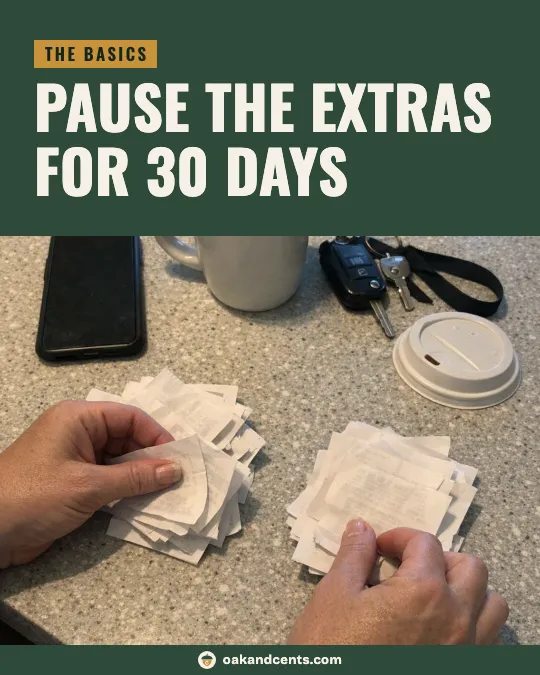
A no spend month is about 30 days when you only spend on what you decided ahead of time. It works in any month you choose.
Needs keep getting paid: your home, utilities, food, the drive to work and your debt payments. Extras take a break, like takeout, coffee runs and the little things that land in the cart on a tired day.
You might also hear it called a spending freeze or a 30 day no spend challenge. Same idea, different names.
What it isn’t: a reason to skip a bill, a plan to put things on a card for later, or a test you pass or fail.
Why does it help? Extra spending usually happens in small, quick decisions. Simple rules make those decisions once, ahead of time, and show you where the money was going.
That doesn’t mean saying no to everyone you love for 30 days. It means a short set of rules, written while you’re calm, for the days you’re not.
Why it matters: The goal isn’t a spotless month. It’s a clearer picture of your spending, plus some money kept for something that matters more.
Think of it as a breather for your budget, not a punishment.
Step 1: Pick Your Month and One Reason
Some months are kinder than others for a first try. Flip through the calendar for birthdays, trips, school events and holidays, the days that usually cost money.
A month with fewer big dates is easier to start in. If the holidays are close and you’d rather begin now, a no spend November has a plan built around Thanksgiving, Black Friday and gift money.
Short months count too. February’s 28 days can be a gentle first try.
Next, write one reason at the top of the page. Make it specific, like “Pay $200 extra on the store card” or “Start our emergency fund.” “Spend less” tends to fade by week two.
You don’t need a big dramatic reason. You need one you’ll remember on a hard Tuesday.
If you live with a partner or older kids, share the reason early. A plan is easier to go along with when everyone knows what it’s for.
Say this: “We’re trying a no spend month in March so we can pay down the card a little faster. Can we each pick one free thing to do on the weekends?”
A month with a reason is easier to keep than a month of just saying no.
Step 2: Write Rules That Still Feel Kind
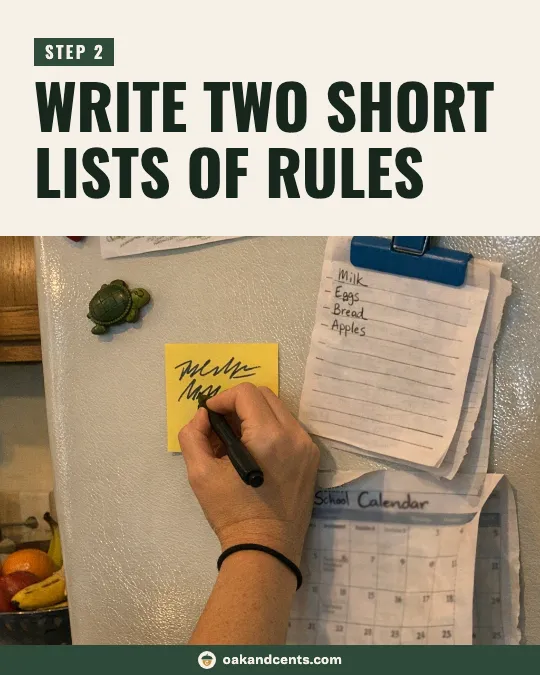
Kind rules are short, clear and honest about real life. They should fit on one sticky note, or in the rules box on the tracker.
Start by deciding what counts as a need. Ask one question: would skipping it hurt your health, your home, your work or a payment you owe? If yes, it stays.
Still OK (needs):
- Housing, utilities and your phone
- Debt payments, including any extra you planned
- Groceries for the meals on your list
- Gas, bus fare or parking for work and school
- Prescriptions, doctor visits and pet food
- School costs, like a field trip fee or a supply list
Not this month (extras):
- Eating out and delivery
- Browsing online stores
- Clothes, decor and gadgets that can wait
- Salon extras and “treat yourself” trips
Then add one rule for the gray areas: replace, don’t upgrade. When the shampoo runs out, buy the same one. When the kids outgrow their shoes, buy shoes, not a whole new wardrobe.
Settle a few gray areas before day one, too. A party you already said yes to gets a gift with a set price. A subscription renewing mid month gets paused or kept, decided now.
Running out of dish soap isn’t a slip. It’s a household.
Kind rules are the ones you’ll still be following on day 25.
Step 3: Keep a Few Small Joys on Purpose
This step is what keeps a no spend month from feeling deprived. Pick one or two small things you’ll keep, and write them on the Still OK list on purpose.
Maybe it’s Friday pizza night at home. Maybe it’s one coffee out each week with a friend.
Some people set a tiny fun line instead, like $20 for the month (just an example), for one planned treat. Since it’s on the list, using it isn’t breaking a rule.
Free plans help, too. Put a few on the calendar before the month starts:
- A library trip for new books or a movie to borrow
- A picnic or a walk at a park you haven’t tried
- A potluck where everyone brings one dish
- A movie night at home with popcorn you already have
- A clothing or toy swap with a friend
That doesn’t mean filling every weekend. One or two plans to look forward to can carry a whole week.
A strict month often ends early. A month with a little room in it is more likely to reach the last day.
Step 4: Color In a No Spend Calendar Each Night
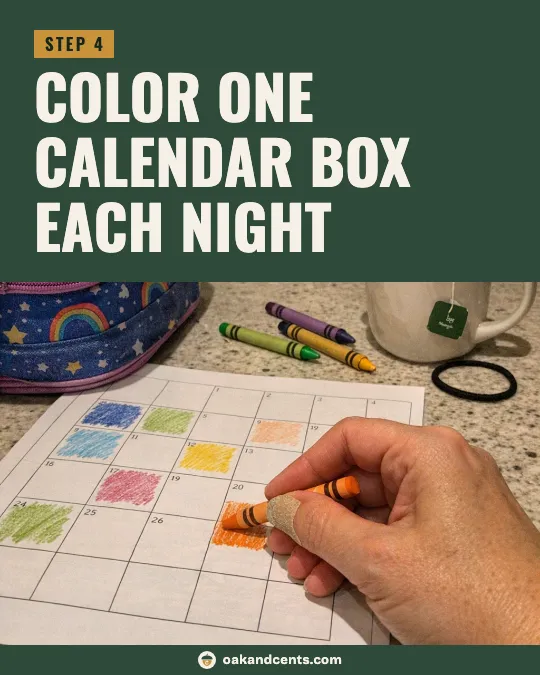
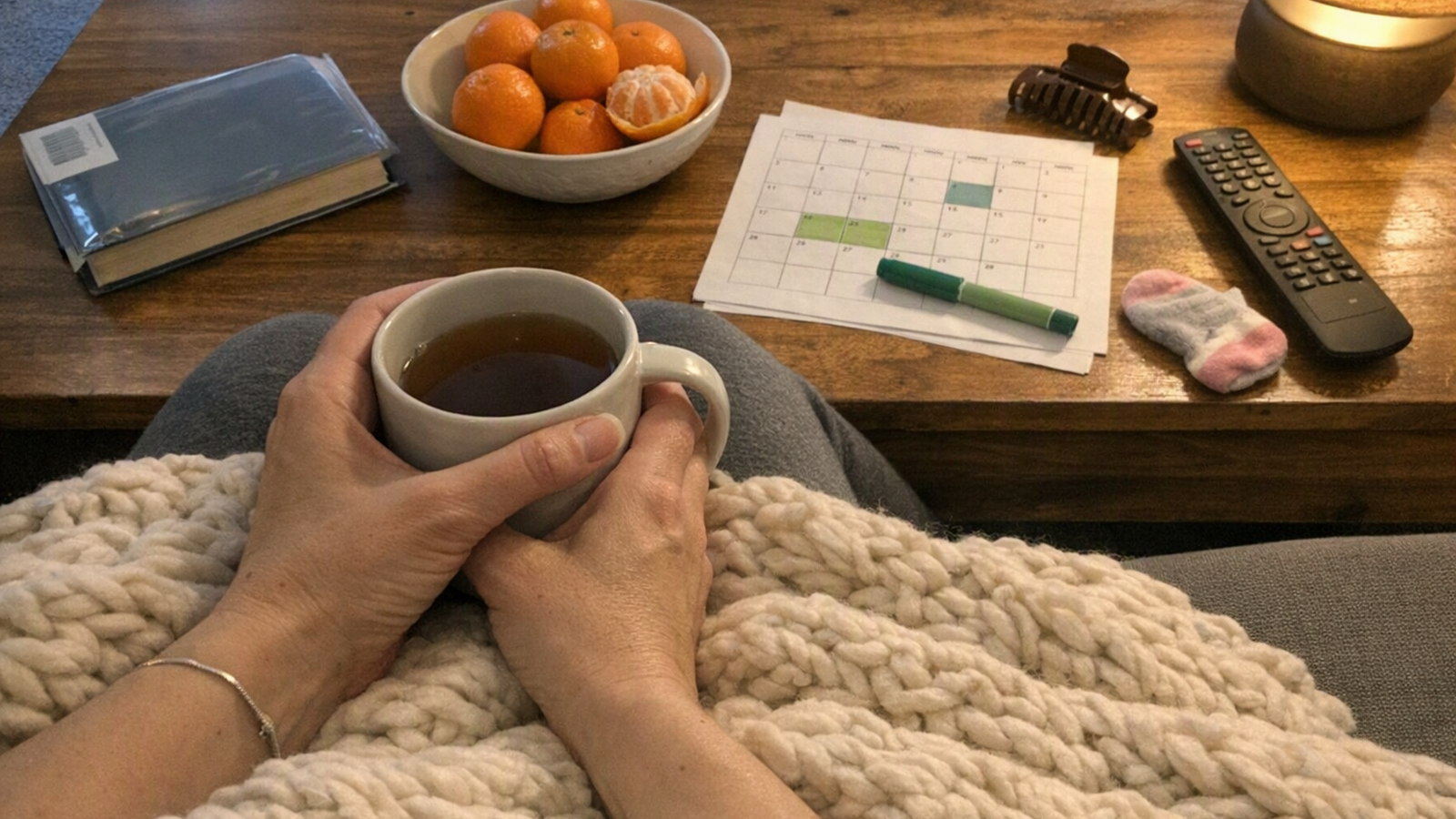
A no spend month calendar turns a long stretch into small wins you can see.
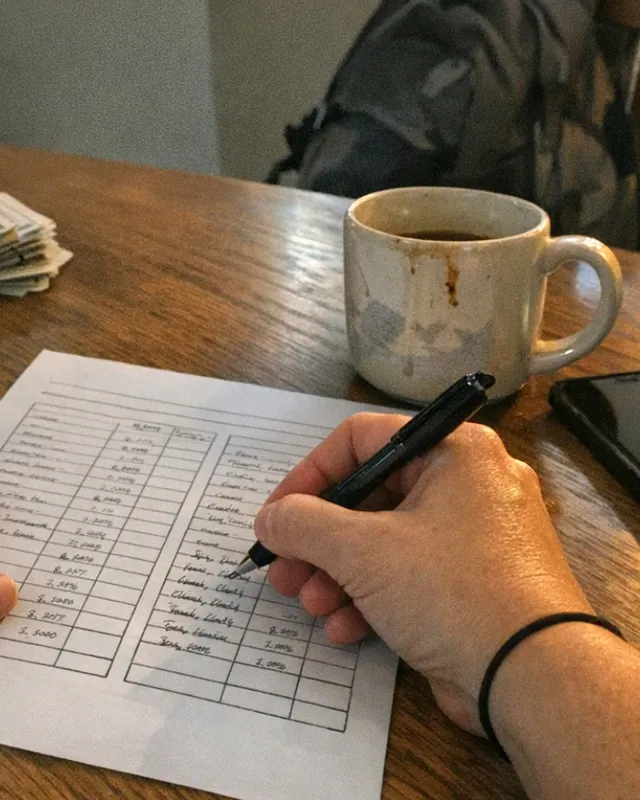
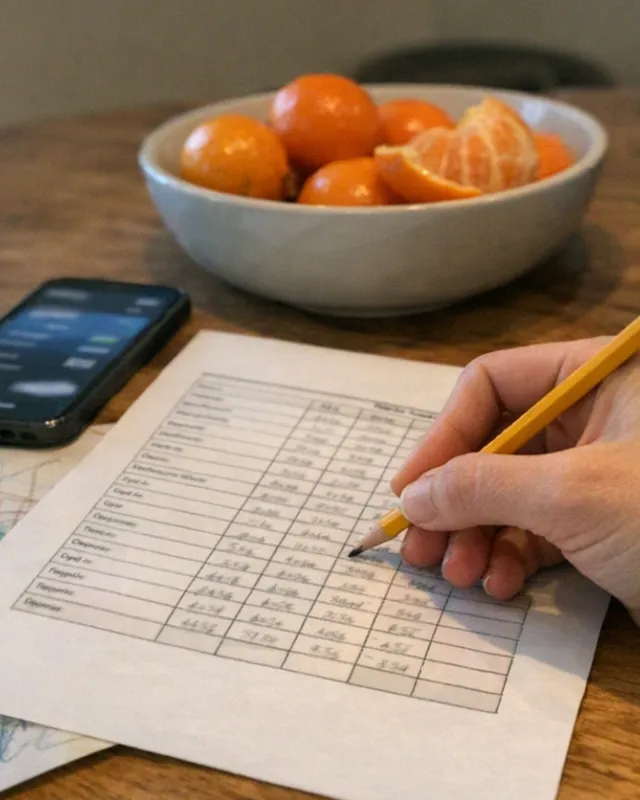
The free tracker on this page fits any month. Write the month and your goal at the top, and copy your two lists into the rules box. In a shorter month, skip the boxes you don’t need.
Each evening, ask one question: did today stay inside the rules? If yes, color the box. A bill, a pharmacy pickup or a grocery run from your list doesn’t change that answer.
When the month ends, count the colored days and fill in the line at the bottom: days with no spending, out of the days in your month.
Choose a goal you can reach, not the biggest number possible. Twenty colored days out of 30 is a real result.
Keep the tracker somewhere you pass every evening, like the bathroom mirror or a cabinet door. Coloring a box should take less time than brushing your teeth.
You don’t have to remember every good day. The calendar does that for you.
Step 5: Give the Money a Job Every Week
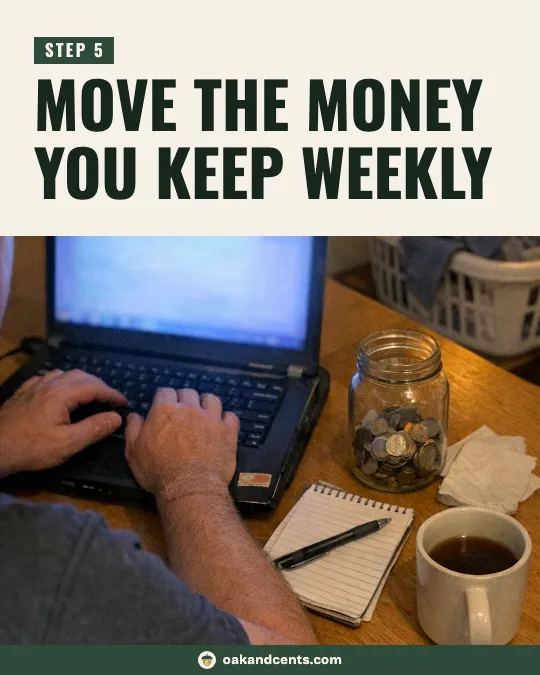
The money you don’t spend needs somewhere to go. Left in your everyday account, it quietly turns into next week’s spending.
Choose the same evening each week, like Sunday or the night after payday, and move a rough amount out. An honest guess is enough.
Here’s an example with made up numbers. Say extras usually run about $60 a week in your home. Skipping most of them for four weeks keeps about $240.
Decide its job before the month starts:
- An extra payment on the card you’re paying down
- A starter emergency fund, so the next surprise doesn’t land on a card
- A sinking fund for a cost you know is coming, like car registration or a birthday
If you’re paying off debt, the debt payoff calculator can show what extra payments do to your payoff date.
The month also hands you a useful number. If extras were about $60 a week, moving $20 a week after it ends still adds up to about $87 a month (same made up example).
Your plan in one line: one reason, two short lists, a small joy kept on purpose, one calendar and a weekly money move.
Money that has a job tends to stay put.
Handle the Urge to Shop, Week by Week
Urges tend to show up on a schedule. Once you know it, they’re less of a surprise.
The urge to buy often stands in for something else: rest, comfort, a bit of fun or a fresh start. When one hits, ask what you’re really after.
Then find a free way to get it, like an early night, a call with a friend or a walk around the block. The want is real. The purchase was only one way to meet it.
Here’s how the four weeks often go:
| Week | What often happens | What helps |
|---|---|---|
| Week 1 | It feels new and a little exciting | Log out of shopping apps and remove saved cards from store sites |
| Week 2 | The first real urge, usually on a tired night | Name what you need, like rest, and find a free version |
| Week 3 | A birthday, a sale or a friend’s plan shows up | Check your rules and plan the one thing that’s OK |
| Week 4 | The end feels close, and so does a “reward” shopping trip | Decide now what you’ll buy next month, with a price |
If a day slips, it’s one blank box, not proof you can’t do this.
Write a word or two about what happened, like “tired” or “sale email,” and color the next day you keep your rules. If the same urge keeps winning, these ideas on how to stop impulse buying can help.
When the month ends, keep one or two habits that felt easy. Then plan the first thing you’ll buy, so the last day doesn’t turn into a rush.
One slip is a moment. The month is still yours.
If Bills or Basics Are Already Tight, Try One Week First
A no spend month works best when bills are paid on time and the extras are where money tends to slip away.
It’s worth pausing if you’re already going without groceries, medicine or other basics, or if a card is paying for everyday needs. When few extras are left, a strict month mostly adds stress.
A past due bill or a debt in collections needs attention before any challenge.
In those cases, try a single no spend week. Seven colored boxes can show you what a month might feel like, without the pressure of thirty.
A nonprofit credit counselor, like the ones in the National Foundation for Credit Counseling network, can help you sort out which bills to pay first.
The right month is the one that fits your life, not just the next one on the calendar.
Your First Week Starts With One List
Open the banking app again, the way you did on Thursday night, but this time with a pen nearby. Find the three extras that showed up most and write them on your Not this month list.
Then print the tracker, write your reason at the top and choose one small joy to keep.
Want a small challenge for after the month ends? These savings challenge ideas come with free charts to color in, too.
Day one gets its color soon. Tonight, the list is enough.